
Foro Penal, el notario de la represión en Venezuela
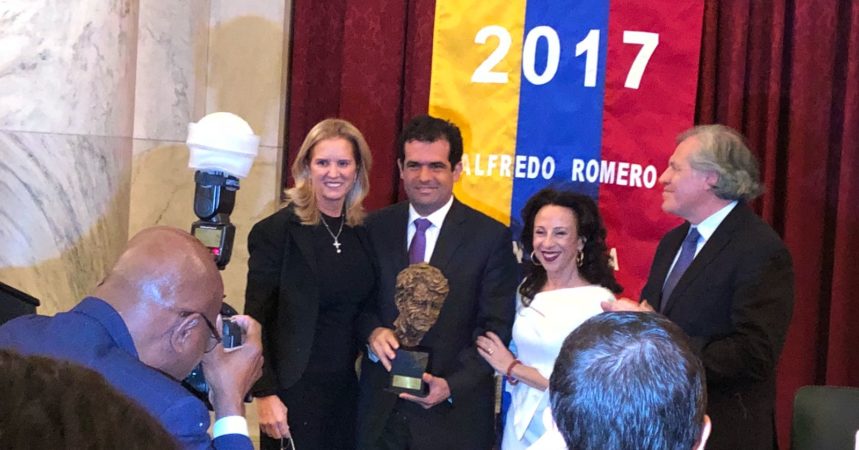
Quien quiera conocer la magnitud de la persecución política de los últimos años en Venezuela debe acudir a los archivos del Foro Penal (FP), auténtico notario de la represión en el país caribeño cuya labor es reconocida hoy en Estados Unidos con el prestigioso premio Robert F. Kennedy de derechos humanos.
“Desde el año 2014 ha habido más de 11.900 detenciones arbitrarias por motivos políticos en Venezuela. El FP ha asistido al 80 por ciento de esos detenidos”, explica a Efe su fundador y director ejecutivo, Alfredo Romero, que recibe el galardón en Washington.
Con más de 200 abogados -“los mejores penalistas de cada estado”- que ofrecen su tiempo y trabajo gratis al margen de su actividad profesional y 3.753 voluntarios en toda la geografía nacional, FP comienza a ocuparse de cada uno de los casos con un minucioso registro de los incidentes.
“El corazón del FP es nuestra base de datos”, cuenta Romero, que explica las razones de la fiabilidad de la información que almacenan.
La misión del Foro empieza en el momento en que recibe una denuncia o constata un arresto, muerte o cualquier abuso. “Nuestros voluntarios son como perros sabuesos buscando dónde se encuentran los detenidos, tocando las puertas de cada departamento policial, militar o centro de reclusión para determinar dónde se encuentra el detenido y poder informar al familiar”, dice Romero.
La información recabada se introduce entonces en el archivo, y desde ese momento FP no pierde el rastro de todo lo que ocurre con la víctima.
“Hasta que no tenemos cédulas (carnets de identidad) y nombres completos, no se registran”, dice el abogado de 58 años, mostrando el nivel de detalle que ofrece el sistema.
La base de datos permite conocer las circunstancias de detención, la profesión, la edad, el sexo del arrestado, los delitos que se le imputan y las medidas judiciales en su contra, así como el número de aprehensiones y liberaciones que hubo en un determinado día o el porcentaje de mujeres, estudiantes o militares que hay entre los presos.
Además de permitir esa impecable función de seguimiento de las detenciones -“desde 2014 no se nos escapa prácticamente ninguno”-, los datos del FP le sirven también para elaborar las listas de presos políticos que la ONG actualiza y envía a organismos internacionales cada semana.
“Si el FP no tuviera el registro de todos los presos el costo político de tenerlos encarcelados sería mínimo para el Gobierno. Hoy día estarían personas presas en las mazmorras del régimen sin que nadie supiera de ellos y por lo tanto no abría ningún interés del Gobierno en liberarnos”.
Ante la arbitrariedad del sistema de justicia en Venezuela -Romero cuenta casos de jueces que le han reconocido estar pendientes de una llamada para tomar una decisión sobre un detenido-, la fórmula para lograr liberaciones es aumentar todo lo posible el costo político para el Gobierno de tener gente entre rejas.
El objetivo, explica, es que el costo supere a los beneficios que el régimen obtiene de privar de libertad a sus críticos, entre los que cita excluir a un adversario del juego político, mandar un aviso a quienes estuvieran tentados de alzar la voz o crear chivos expiatorios a los que responsabilizar del fracaso de su gestión.
Para incrementar el costo, FP expone los atropellos que conoce de primero mano y tiene sólidamente registrados ante la opinión pública, las democracias de América y Europa y las instituciones internacionales, lo que aumenta la presión social, política y económica sobre el régimen y erosiona su ya precarias credenciales.
El Robert F. Kennedy intensifica la potencia del foco de la atención mundial sobre las injusticias que sufren los venezolanos, y supone para Romero y los demás voluntarios -algunos de los cuales han pasado por la cárcel- un reconocimiento inmenso al arduo trabajo que llevan a cabo.
“Cuando estamos a las puertas de un centro de reclusión no hay un público apoyándonos, y esa es una labor de oscuridad, que solo la siente quien está aún en más oscuridad que es el preso”, dice el director de FP.
“Estando en la oscuridad somos la luz de ese preso, pero nuestra labor de alguna manera es en solitario, y que nos den un agradecimiento, que nos reconozcan es, como seres humanos, una gran luz que nos ilumina y nos da mucha más fortaleza para continuar”.
Marcel Gascón Barberá/EFE
https://www.lapatilla.com/site/2017/11/16/foro-penal-el-notario-de-la-represion-en-venezuela/